- Request Free Quote
- 408-206-0832
- info@baybuildersconstruction.com

Bathroom Renovation Essentials: Creating a Modern, Functional, and Luxurious Space
June 29, 2026A bathroom is one of the most important rooms in any home. It is where daily routines begin and end, and it plays a major role in comfort, convenience, hygiene, and property value. Because of this, bathroom renovation has become one of the most popular home improvement projects for homeowners who want to improve both lifestyle and long-term investment value.
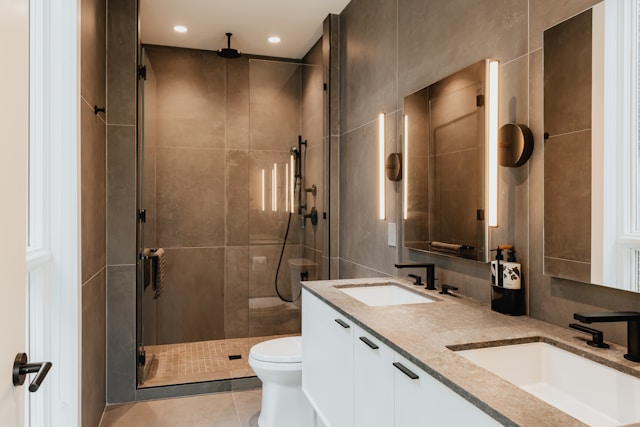
Bathroom Renovation Essentials: Creating a Modern, Functional, and Luxurious Space focuses on the key elements homeowners should consider when planning a successful bathroom remodel. From walk-in showers and vanity installation to tile flooring, lighting fixtures, water-efficient fixtures, and smart storage solutions, every design choice can influence the final result.
A well-planned bathroom renovation does more than update an outdated space. It improves functionality, maximizes square footage, increases comfort, and creates a more relaxing environment. With the right materials, layout, and professional guidance, homeowners can transform an ordinary bathroom into a modern, efficient, and spa-like retreat.
Why Bathroom Renovation Matters
Bathroom remodeling is one of the most valuable home renovation projects because bathrooms are used every day and are closely evaluated by potential buyers. An outdated, cramped, or poorly functioning bathroom can make a home feel older than it is. On the other hand, a modern bathroom with quality finishes, efficient fixtures, and thoughtful design can greatly improve the overall appeal of a property.
Common reasons homeowners renovate bathrooms include:
Improving comfort and convenience
Increasing home value
Replacing outdated fixtures
Fixing moisture or plumbing issues
Adding storage space
Improving lighting
Creating a luxury spa-like design
Improving water efficiency
A bathroom renovation can be as simple as replacing fixtures and tile, or as extensive as changing the layout, expanding the space, and installing high-end features.
Popular Bathroom Renovation Trends
One of the most common questions homeowners ask is: What are the most popular bathroom renovation trends?
Modern bathroom design focuses on comfort, simplicity, efficiency, and luxury. Homeowners want spaces that are easy to maintain but still feel elegant and relaxing.
Popular bathroom renovation trends include walk-in showers, floating vanities, large-format tile, frameless glass shower doors, backlit mirrors, matte black or brushed gold fixtures, natural stone finishes, and warm neutral color palettes.
Spa-inspired bathrooms are especially popular. These designs often include rainfall showerheads, freestanding tubs, soft lighting, heated floors, and calming materials such as stone, wood-look tile, and textured walls.
Another major trend is space optimization. Homeowners are looking for ways to make bathrooms feel larger and more functional, even when square footage is limited. This often includes recessed storage, built-in niches, wall-mounted vanities, and glass shower enclosures that create a more open feel.
Walk-In Showers
Walk-in showers are one of the most requested features in modern bathroom remodeling. They offer a clean, open, and luxurious appearance while improving accessibility and convenience.
Unlike traditional shower-tub combinations, walk-in showers can make a bathroom feel larger and more modern. They are also easier to enter and exit, making them a practical choice for homeowners planning to age in place.
Popular walk-in shower features include:
Frameless glass doors
Built-in shower niches
Bench seating
Rainfall showerheads
Handheld shower fixtures
Large-format wall tile
Linear drains
Non-slip flooring
Walk-in showers also provide design flexibility. They can be customized to fit small bathrooms, large primary bathrooms, and luxury spa-style spaces.
Vanity Installation
A bathroom vanity serves as both a functional and decorative feature. It provides storage, supports the sink, and contributes to the overall style of the room.
When choosing a vanity, homeowners should consider size, storage needs, countertop material, sink style, and finish. A vanity that is too large can make a bathroom feel crowded, while one that is too small may not provide enough storage.
Popular vanity options include:
Single-sink vanities
Double-sink vanities
Floating vanities
Furniture-style vanities
Custom built-in vanities
Floating vanities are especially popular in modern bathroom design because they create a clean, open look and make floor cleaning easier. Double vanities are ideal for primary bathrooms where two people need to use the space at the same time.
Tile Flooring
Tile flooring remains one of the best choices for bathrooms because it is durable, moisture resistant, and available in many designs.
Bathrooms are exposed to water, humidity, and frequent cleaning, so choosing the right flooring material is essential. Tile performs well because it can withstand moisture and heavy daily use when properly installed.
Popular bathroom tile flooring options include porcelain tile, ceramic tile, natural stone tile, and luxury vinyl tile.
Porcelain tile is one of the best choices for moisture resistance. It is dense, durable, and available in styles that mimic wood, marble, concrete, and natural stone. Ceramic tile is also popular and often more budget-friendly. Natural stone provides a high-end appearance but usually requires sealing and more maintenance.
For safety, homeowners should select flooring with slip-resistant finishes, especially in wet areas.
Lighting Fixtures
Lighting is one of the most important elements of bathroom interior design. Poor lighting can make even a beautifully renovated bathroom feel uncomfortable or impractical.
A good bathroom lighting plan includes multiple layers:
Ambient lighting for general brightness
Task lighting for grooming and makeup
Accent lighting for design appeal
Vanity lighting is especially important. Lights placed beside or above the mirror help reduce shadows and improve visibility. Recessed ceiling lights, pendant lights, wall sconces, and LED mirrors are all popular choices.
Modern bathrooms often include dimmable lighting so homeowners can adjust brightness depending on the time of day or mood. Soft lighting can create a relaxing atmosphere, while brighter task lighting supports daily routines.
Water-Efficient Fixtures
Water-efficient fixtures are an important part of modern bathroom renovation. They help reduce water usage without sacrificing performance.
Popular water-efficient upgrades include low-flow toilets, WaterSense-labeled faucets, efficient showerheads, and dual-flush toilets.
These fixtures can reduce monthly water bills and support environmentally responsible home improvement. In many cases, newer fixtures are designed to provide strong performance while using less water than older models.
For homeowners looking to combine comfort, savings, and sustainability, water-efficient fixtures are a smart investment.
Storage Solutions
Storage is one of the most common challenges in bathroom design. A beautiful bathroom can quickly become cluttered without proper storage planning.
Effective storage solutions include:
Vanity drawers
Medicine cabinets
Built-in shelving
Linen cabinets
Shower niches
Wall-mounted cabinets
Over-toilet storage
Recessed storage
Custom storage is especially useful in smaller bathrooms. Pull-out organizers, drawer dividers, hidden outlets, and built-in compartments can make everyday items easier to access while keeping countertops clear.
A well-organized bathroom feels cleaner, larger, and more luxurious.
Space Optimization
Space optimization is essential for both small and large bathrooms. The goal is to make the room feel open, efficient, and comfortable.
In smaller bathrooms, homeowners can maximize space by choosing floating vanities, glass shower doors, wall-mounted toilets, recessed shelves, and light-colored finishes. Mirrors can also make a room feel larger by reflecting light.
In larger bathrooms, space optimization focuses on creating zones. A primary bathroom may include separate areas for the shower, bathtub, vanity, toilet, and dressing space. Good planning ensures that each area feels connected while still serving a clear purpose.
Professional contractors and designers can help homeowners identify the best layout based on plumbing, structural limitations, and daily needs.
Materials Best for Moisture Resistance
Another common question is: What materials are best for moisture resistance?
Because bathrooms are exposed to water and humidity, moisture-resistant materials are essential for long-term durability.
Top moisture-resistant materials include:
Porcelain tile
Ceramic tile
Quartz countertops
PVC or composite trim
Water-resistant wall panels
Mold-resistant drywall
Sealed natural stone
Luxury vinyl tile
Quartz is an excellent countertop choice because it is non-porous, durable, and easy to clean. Porcelain tile is ideal for floors and shower walls because it resists water and stains. Mold-resistant drywall should be used in areas outside direct shower zones, while cement board or waterproof backer board is recommended behind shower tile.
Choosing the right materials helps prevent water damage, mold growth, and costly repairs.
Upgrades That Add the Most Value
Homeowners often ask: Which bathroom upgrades add the most value?
The most valuable upgrades are those that improve both function and appearance. These include walk-in showers, updated vanities, modern lighting, high-quality tile, water-efficient fixtures, improved storage, and durable countertops.
A bathroom does not always need the most expensive materials to add value. In many cases, clean design, quality installation, and practical improvements provide the best return.
High-value upgrades include:
Replacing outdated tubs with walk-in showers
Installing double vanities in primary bathrooms
Upgrading tile flooring
Adding modern lighting fixtures
Improving ventilation
Choosing neutral, timeless finishes
Installing water-efficient toilets and faucets
Adding built-in storage
Buyers typically appreciate bathrooms that feel clean, modern, and low maintenance.
How Long Does a Bathroom Remodel Take?
The timeline for a bathroom remodel depends on the size of the project, material availability, contractor scheduling, and whether plumbing or electrical work is required.
A simple bathroom update may take one to two weeks. A standard bathroom remodel often takes three to six weeks. A larger or more complex renovation may take six to eight weeks or longer.
Typical phases include:
Design planning
Material selection
Permitting if needed
Demolition
Plumbing and electrical work
Framing or layout changes
Waterproofing
Tile installation
Vanity and fixture installation
Final finishing details
Delays can occur if custom materials are backordered or hidden damage is discovered during demolition. Working with professional contractors helps keep the project organized and reduces unnecessary delays.
The Role of Professional Contractors
Professional contractors play a major role in successful bathroom renovation. Bathrooms involve plumbing, electrical systems, waterproofing, ventilation, tile work, and precise installation. Mistakes can lead to leaks, mold, poor drainage, and costly repairs.
Experienced contractors help homeowners with design choices, material selection, project management, and installation. They can also identify potential problems before they become major issues.
Hiring professionals provides several benefits:
Better workmanship
Proper waterproofing
Code compliance
Efficient scheduling
Accurate measurements
Reliable installation
Professional project management
For homeowners who want a smooth renovation from start to finish, working with an experienced remodeling team is highly recommended.
Interior Design for a Luxurious Bathroom
Luxury bathroom design does not always require the most expensive materials. It often comes from thoughtful details, balance, and comfort.
A luxurious bathroom may include warm lighting, high-quality fixtures, elegant tile, a spacious shower, soft textures, and smart storage. Neutral colors such as white, beige, gray, and warm earth tones create a timeless foundation. Accent materials such as brushed gold, matte black, natural wood, or stone can add personality.
Spa-like design elements include:
Rainfall showers
Freestanding tubs
Heated floors
Backlit mirrors
Aromatherapy niches
Soft-close drawers
Natural textures
Minimal clutter
The goal is to create a space that feels calm, clean, and comfortable.
Final Thoughts
Bathroom Renovation Essentials: Creating a Modern, Functional, and Luxurious Space highlights the most important elements homeowners should consider before beginning a bathroom remodel. A successful renovation combines beauty, function, durability, and comfort.
From walk-in showers and vanity installation to tile flooring, lighting fixtures, water-efficient fixtures, storage solutions, and moisture-resistant materials, every detail plays a role in the final outcome. Homeowners who plan carefully and work with professional contractors can create bathrooms that improve daily routines, increase home value, and provide long-lasting enjoyment.
Whether updating a small guest bathroom or transforming a primary suite into a spa-like retreat, bathroom renovation is one of the most rewarding home improvement projects. With the right design, materials, and expert guidance, any bathroom can become a modern, functional, and luxurious space.