- Request Free Quote
- 408-206-0832
- info@baybuildersconstruction.com

Complete Kitchen Remodeling Guide for Bay Area Homeowners: Design Trends, Costs, and Expert Planning
July 6, 2026The kitchen has long been considered the heart of the home. It serves as a gathering place for family meals, social events, daily routines, and countless household activities. As lifestyles evolve and homeowner expectations increase, kitchen remodeling has become one of the most valuable home improvement investments available. For Bay Area homeowners, a well-designed kitchen renovation not only enhances daily living but can also significantly increase property value in one of the nation’s most competitive real estate markets.
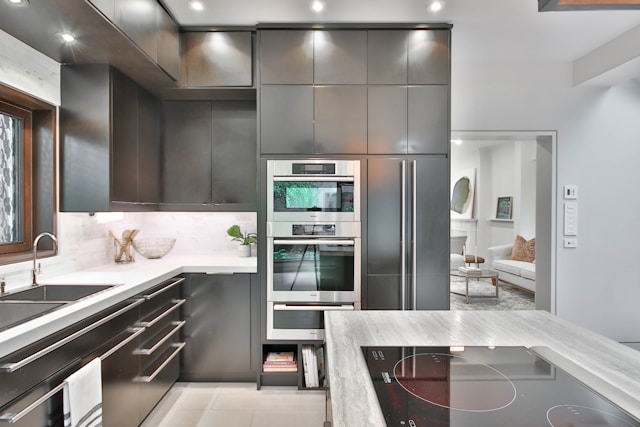
This Complete Kitchen Remodeling Guide for Bay Area Homeowners: Design Trends, Costs, and Expert Planning provides a comprehensive overview of the remodeling process, including current design trends, budgeting considerations, space planning strategies, material selection, and expert tips for achieving a successful renovation. Whether you’re updating an outdated kitchen or planning a complete transformation, understanding the key elements of kitchen remodeling can help maximize both functionality and long-term value.
Why Kitchen Remodeling Is a Smart Investment
Kitchen remodeling consistently ranks among the top home improvement projects for return on investment. Buyers often view the kitchen as one of the most important spaces when evaluating a home, making upgrades particularly beneficial for both current enjoyment and future resale value.
A kitchen renovation can provide numerous benefits, including:
- Improved functionality and workflow
- Increased storage capacity
- Enhanced energy efficiency
- Better aesthetics and design appeal
- Modernized appliances and fixtures
- Higher property value
- Greater comfort and convenience
In the Bay Area, where real estate values remain strong, investing in a thoughtfully designed kitchen remodel can help homeowners maintain a competitive edge in the housing market.
Understanding Kitchen Remodeling Costs in California
One of the most common questions homeowners ask is: How much does a kitchen remodel cost in California?
The answer depends on the scope of the project, materials selected, labor costs, and customization requirements. California generally has higher remodeling costs compared to many other regions due to labor rates, permitting requirements, and material expenses.
Typical kitchen remodeling costs include:
Minor Kitchen Remodel
- $25,000 to $50,000
- Cabinet refacing
- Countertop replacement
- Updated appliances
- New lighting fixtures
- Cosmetic improvements
Mid-Range Kitchen Remodel
- $50,000 to $100,000
- New custom or semi-custom cabinets
- Premium countertops
- Flooring replacement
- Kitchen island installation
- Appliance upgrades
High-End Kitchen Remodel
- $100,000 to $250,000+
- Fully custom cabinetry
- Luxury countertops
- Structural modifications
- Professional-grade appliances
- Custom lighting and finishes
Bay Area homeowners should also consider permitting costs, design fees, and potential unforeseen expenses when creating a remodeling budget.
The Importance of Expert Planning
Successful kitchen remodeling begins long before demolition starts. Expert planning helps ensure that the final design aligns with the homeowner’s goals, budget, and lifestyle.
Professional remodeling companies such as Bay Home Builders, Inc. often provide turnkey remodeling solutions that streamline the process from concept to completion. Their services may include:
- Initial consultations
- Space planning
- Design development
- Material selection
- Appliance coordination
- Construction management
- Final finishing details
Working with experienced professionals reduces the risk of costly mistakes while ensuring the project remains organized and efficient.
Space Planning: The Foundation of Every Great Kitchen
Effective space planning is one of the most important aspects of kitchen remodeling.
A beautiful kitchen can still be frustrating if the layout does not support efficient movement and workflow. Designers often focus on creating a functional relationship between three primary work zones:
- Refrigerator
- Sink
- Cooking area
This concept is commonly referred to as the kitchen work triangle.
Good space planning considers:
- Traffic flow
- Storage accessibility
- Countertop workspace
- Appliance placement
- Seating arrangements
- Safety considerations
Proper planning helps maximize usability while ensuring the kitchen remains comfortable and efficient for everyday tasks.
Open-Concept Kitchens Continue to Dominate
One of the most popular kitchen design trends in the Bay Area is the open-concept kitchen.
Open-concept kitchens remove barriers between cooking and living spaces, creating a more connected environment for families and guests.
Benefits of open-concept kitchens include:
- Improved natural light
- Better social interaction
- Enhanced traffic flow
- Increased visual space
- Greater flexibility for entertaining
Many homeowners choose to remove non-load-bearing walls to create larger, more open layouts that blend kitchens with dining and living areas.
The result is a more modern and inviting atmosphere that reflects contemporary lifestyles.
Custom Cabinets: Maximizing Storage and Style
Cabinetry often represents one of the largest investments in a kitchen remodel.
Custom cabinets offer homeowners the opportunity to maximize storage while creating a personalized design aesthetic.
Advantages of custom cabinets include:
- Tailored dimensions
- Optimized storage solutions
- Unique finishes and colors
- Higher-quality construction
- Improved organization
Popular cabinet trends include:
- Shaker-style doors
- Flat-panel modern designs
- Two-tone cabinet finishes
- Floor-to-ceiling storage
- Hidden appliance integration
Custom cabinetry allows homeowners to fully utilize available space while achieving a cohesive design.
Choosing the Right Countertops
Countertops serve both functional and aesthetic purposes in a kitchen.
The ideal countertop material should be durable, attractive, and capable of withstanding daily use.
Popular countertop options include:
Quartz Countertops
Quartz remains one of the most sought-after choices among Bay Area homeowners.
Benefits include:
- Low maintenance
- Stain resistance
- Wide color selection
- Excellent durability
Granite Countertops
Granite offers a natural appearance and unique patterns.
Advantages include:
- Heat resistance
- Long lifespan
- Natural beauty
Marble Countertops
Marble provides a luxurious appearance but requires more maintenance.
Butcher Block Countertops
Wood countertops add warmth and character while supporting various design styles.
For homeowners focused on return on investment, quartz often delivers one of the best combinations of performance and visual appeal.
Kitchen Islands: A Must-Have Feature
Kitchen islands have become a central feature in modern kitchen design.
A well-designed island can serve multiple purposes:
- Additional workspace
- Casual dining area
- Storage solution
- Entertainment hub
- Appliance integration
Large islands are particularly popular in open-concept kitchens where they help define spaces without creating physical barriers.
Popular island features include:
- Waterfall countertops
- Built-in sinks
- Wine storage
- Charging stations
- Seating for family and guests
When properly integrated into the layout, a kitchen island significantly enhances functionality.
Appliance Selection Matters
Appliance selection plays a major role in both performance and design.
Today’s homeowners seek appliances that combine efficiency, technology, and style.
Popular appliance trends include:
- Smart refrigerators
- Induction cooktops
- Double ovens
- Built-in coffee systems
- Energy-efficient dishwashers
Many homeowners also prefer integrated appliances that blend seamlessly with cabinetry for a streamlined appearance.
Selecting appliances early in the planning process helps ensure proper space allocation and utility coordination.
Lighting Design Enhances Functionality and Ambiance
Lighting design is often underestimated during kitchen remodeling projects.
Effective kitchen lighting typically combines three layers:
Ambient Lighting
Provides overall illumination throughout the room.
Examples include:
- Recessed ceiling lights
- Flush-mount fixtures
Task Lighting
Improves visibility for food preparation and cooking.
Examples include:
- Under-cabinet lighting
- Pendant lights over islands
Accent Lighting
Highlights architectural features and decorative elements.
Examples include:
- Cabinet lighting
- Display shelf illumination
Layered lighting creates a more versatile and comfortable environment.
Backsplash Installation: A Functional Design Element
Backsplashes serve both decorative and practical purposes.
They protect walls from moisture, grease, and cooking splatter while contributing to the overall design aesthetic.
Popular backsplash trends include:
- Large-format porcelain slabs
- Subway tiles
- Geometric patterns
- Natural stone
- Full-height backsplashes
Many Bay Area homeowners are choosing backsplashes that extend from countertops to upper cabinets, creating a seamless and sophisticated appearance.
Flooring Choices for Long-Term Value
Kitchen flooring must withstand heavy foot traffic, spills, and daily wear.
Popular flooring materials include:
Luxury Vinyl Plank (LVP)
Benefits include:
- Water resistance
- Affordability
- Easy maintenance
Porcelain Tile
Advantages include:
- Durability
- Moisture resistance
- Wide design options
Engineered Hardwood
Provides warmth and elegance while offering greater stability than traditional hardwood.
Selecting durable flooring materials helps maximize long-term value and performance.
Latest Kitchen Design Trends in the Bay Area
Homeowners seeking inspiration often ask: What are the latest kitchen design trends?
Several trends currently dominate Bay Area kitchen remodeling projects.
Natural Materials
Wood accents, stone surfaces, and organic textures create warmth and authenticity.
Sustainable Design
Environmentally conscious homeowners increasingly prioritize:
- Energy-efficient appliances
- Sustainable materials
- Water-saving fixtures
Mixed Finishes
Combining metals such as brass, black, and stainless steel creates visual interest.
Minimalist Aesthetics
Clean lines and clutter-free spaces remain highly desirable.
Smart Technology
Voice-controlled devices, automated lighting, and connected appliances continue gaining popularity.
Bold Color Accents
While white kitchens remain popular, many homeowners incorporate:
- Deep blues
- Forest greens
- Warm earth tones
These trends balance modern aesthetics with long-term appeal.
How to Maximize Kitchen Space
Another common question is: How do you maximize kitchen space?
Several strategies can improve storage and functionality.
Utilize Vertical Storage
Floor-to-ceiling cabinets increase storage capacity while minimizing clutter.
Incorporate Pull-Out Solutions
Examples include:
- Pantry organizers
- Trash pull-outs
- Corner cabinet systems
Add Multi-Functional Features
Kitchen islands with storage and seating maximize utility.
Optimize Cabinet Interiors
Customized inserts improve organization and accessibility.
Reduce Visual Clutter
Integrated appliances and concealed storage create a cleaner appearance.
Thoughtful planning helps even smaller kitchens feel spacious and efficient.
What Materials Offer the Best Return on Investment?
Homeowners often want to know which materials provide the greatest value.
Generally, the following offer strong returns:
Quartz Countertops
Durable, attractive, and low maintenance.
Custom or Semi-Custom Cabinets
Improve functionality and appeal.
Energy-Efficient Appliances
Reduce operating costs and attract buyers.
Quality Flooring
Enhances aesthetics while supporting durability.
LED Lighting Systems
Improve energy efficiency and ambiance.
Choosing timeless materials often delivers better long-term value than highly specialized or trendy options.
Working with Professional Remodeling Experts
Kitchen remodeling involves numerous moving parts, including design, permitting, construction, plumbing, electrical work, and finishing details.
Experienced remodeling professionals help coordinate these elements while ensuring quality workmanship.
Benefits of hiring experts include:
- Accurate budgeting
- Professional design guidance
- Efficient project management
- Code compliance
- Higher-quality results
Companies offering turnkey remodeling solutions simplify the process by managing every phase from planning through final installation.
Conclusion
This Complete Kitchen Remodeling Guide for Bay Area Homeowners: Design Trends, Costs, and Expert Planning highlights the many factors that contribute to a successful kitchen renovation. From custom cabinets and countertops to appliance selection, lighting design, kitchen islands, and open-concept layouts, every decision impacts both functionality and long-term value.
While remodeling costs vary depending on project scope and material choices, a thoughtfully designed kitchen remains one of the most rewarding home improvement investments available. By prioritizing expert planning, quality materials, and efficient space utilization, Bay Area homeowners can create kitchens that enhance daily living while increasing property value for years to come.